
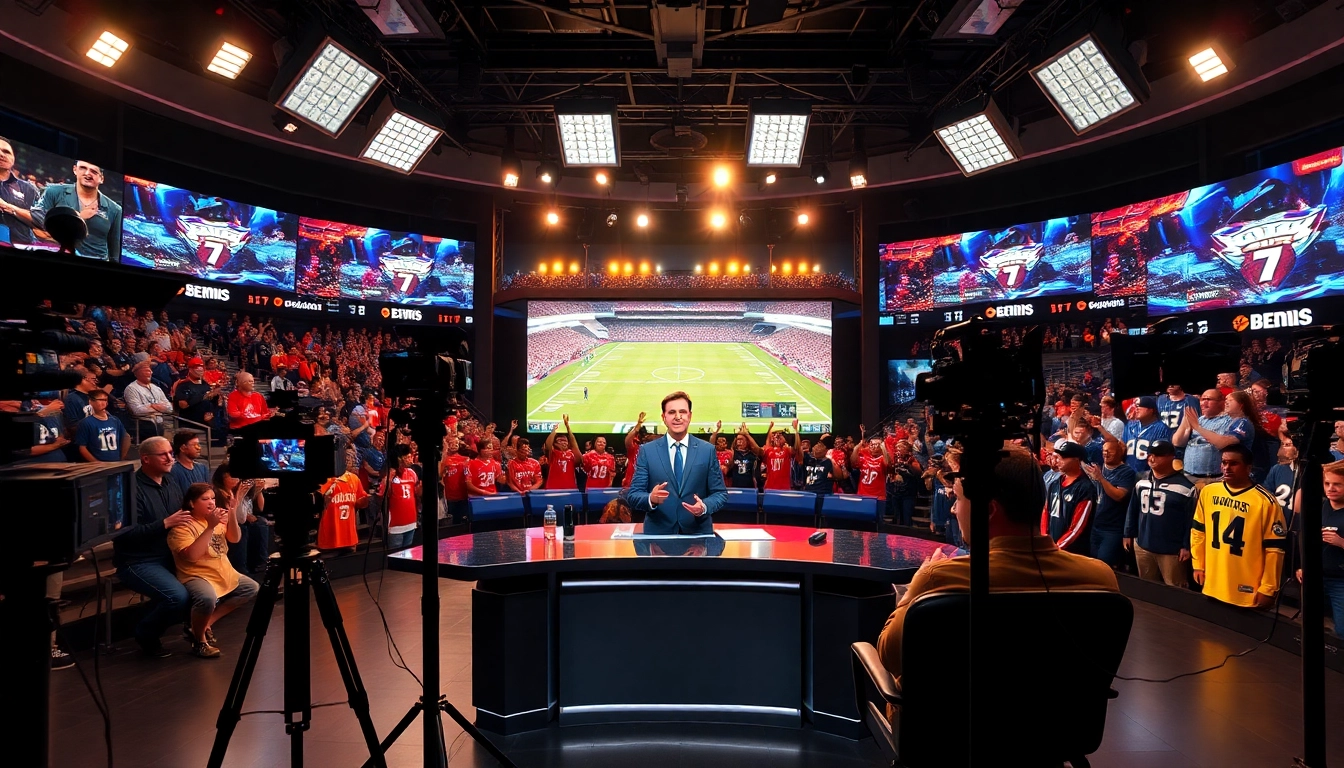
Understanding the Basics of Sports Broadcasting
Definition and Importance of Sports Broadcasting
Sports broadcasting is the media realm that delivers live or recorded coverage of sporting events to audiences. This vital sector of the media landscape not only entertains millions of fans across the globe but also plays a crucial role in shaping the culture and economy surrounding sports. The spread of information through Sports Broadcasting channels ensures that fans remain engaged and informed, enabling sports organizations and professionals to thrive.
Different Types of Sports Broadcasting
Sports broadcasting can be categorized into several distinctive types, each serving a specific audience or purpose:
- Live Broadcasting: This includes real-time coverage of games, where play-by-play commentary and visuals allow viewers to experience the event as it unfolds.
- Recorded Broadcasts: Highlights, replays, and recorded matches can be accessed at any time, catering to those who cannot watch live.
- Sports Talk Shows: Programs that analyze games, events, and player performances, often featuring expert opinions and discussions among fans.
- Online Streaming: Digital platforms that provide live and recorded content through websites and apps, allowing fans to watch games on their terms.
- Documentaries and Feature Stories: In-depth visual storytelling about athletes, teams, and pivotal games that bring a historical perspective to sports.
Key Roles in Sports Broadcasting Teams
The success of a sports broadcast relies on a collaborative effort among various professionals. Here are key roles that form the backbone of any broadcasting team:
- Commentators: Provide real-time analysis and commentary during live events, enhancing the viewer's experience.
- Producers: Oversee the planning and execution of the broadcast, coordinating between various teams and departments.
- Cameramen and Crew: Handle the technical aspects of filming, ensuring the best angles and quality visuals are captured.
- Director: Guides the overall flow and execution of the broadcast, making split-second decisions to keep the show engaging.
- Graphic Designers: Create on-screen graphics that offer statistics, scores, and other relevant information to viewers.
Technology Driving Sports Broadcasting Today
Essential Equipment for Quality Broadcasts
The modern landscape of sports broadcasting is heavily reliant on advanced technology. Key equipment plays a pivotal role in delivering high-quality broadcasts:
- Cameras: High-definition and ultra-high-definition cameras ensure crisp visuals, allowing audiences to enjoy the action in exceptional detail.
- Microphones: Quality audio inputs, from lapel mics for commentators to directional mics for ambient sounds, help create an immersive experience.
- Mixers: Audio mixing consoles balance sound levels and ensure clear communication between on-screen talent and technical staff.
- Graphics Generators: Used to create dynamic graphics in real-time, enhancing storytelling and audience engagement.
Live Streaming vs. Traditional Broadcasting
The shift toward digital has introduced the debate between live streaming and traditional broadcasting. Both methods have their advantages:
- Live Streaming: Offers immediate access to content on multiple devices, reaching a younger audience that prefers flexible viewing times.
- Traditional Broadcasting: Typically boasts higher production values and established viewer bases, offering a sense of community and shared experience during events.
Each method caters to different demographics but also creates unique opportunities for sports organizations to connect with fans.
Impact of Social Media on Sports Broadcasting
Social media has transformed how content is distributed and consumed. Its impact on sports broadcasting cannot be overstated:
- Instant Coverage: Platforms like Twitter and Instagram allow for rapid dissemination of highlights, scores, and game updates, fostering an interactive environment for fans.
- Fan Engagement: Teams and broadcasters use social media to engage with fans, conducting polls, sharing behind-the-scenes content, and creating discussions to enhance viewer investment.
- Influencers and New Voices: Many athletes leverage their platforms to reach wider audiences, sharing personal insights that traditional broadcasters may overlook.
Challenges in Sports Broadcasting
Handling Live Broadcast Issues
The nature of live broadcasting presents unique challenges, notably technical difficulties and unforeseen circumstances. Experts suggest:
- Preparation: Conducting thorough pre-event checks can minimize issues, including testing equipment and ensuring backup systems are in place.
- Quick Decision-Making: Teams must be ready to adapt, switching sources or adjusting narratives smoothly if problems occur.
- Clear Communication: Establish a solid communication strategy between team members to navigate crises effectively.
Ensuring Quality and Accuracy
In an age of fact-checking and instant feedback, accuracy in reporting is vital. Here’s how broadcasters can maintain high-quality standards:
- Fact-Checking: Implement rigorous fact-checking protocols before airing content to prevent misinformation.
- Training: Ensure all team members undergo continuous education about the sport to stay updated on rules, teams, and player statistics.
- Viewer Feedback: Engage with viewers post-broadcast to gather opinions that can inform future content.
Viewer Engagement Strategies
Successful sports broadcasting hinges on maintaining a loyal viewer base. Here are strategies to enhance engagement:
- Tailored Content: Creating content that resonates with the audience is essential — from localized reporting to tailored highlights.
- Interactive Elements: Incorporating polls, live chats, and interactive stories keeps the audience engaged during broadcasts.
- Consistent Branding: Establish a recognizable brand identity that exists across all channels to reinforce connections with viewers.
Best Practices in Sports Broadcasting
Crafting Compelling Narratives
Storytelling within sports broadcasting offers a deeper connection with the audience. Here are tips for crafting narratives:
- Character Development: Focus on athletes’ journeys, struggles, and successes to create relatable stories that draw viewers in.
- Utilize Statistics: Provide context through statistics and analysis that support the emotional narrative, making the coverage informative.
- Emotional Engagement: Tie back to universal themes such as perseverance and teamwork to resonate with a wider audience.
Building Relationships with Athletes and Teams
Strong relationships between analysts and athletes provide a competitive edge in broadcasting. Ways to build these connections include:
- Trust Building: Establish credibility by accurately representing athletes and respecting their personal and professional boundaries.
- Collaboration: Work together on promotional content or behind-the-scenes features to strengthen connections and enhance storytelling.
- Long-Term Engagement: Invest time into nurturing relationships rather than seeking immediate rewards, leading to richer content over time.
Measuring Broadcast Performance and Viewer Metrics
Understanding your audience is critical for improving broadcast quality. Key performance metrics include:
- Viewership Ratings: Track viewer numbers during broadcasts to gauge interest and program longevity.
- Engagement Levels: Analyze interactions via social media and viewer feedback to assess how well content resonates.
- Demographic Insights: Utilize analytics tools to gather data on viewers’ demographics, preferences, and viewing habits for targeted content.
Future Trends in Sports Broadcasting
Innovations on the Horizon
The future of sports broadcasting is ripe with innovation. Trends to watch for include:
- Enhanced Virtual Reality: As technology advances, sports broadcasts may incorporate virtual reality experiences, enabling fans to feel as though they are part of the action.
- Augmented Reality: Graphics overlaying live footage can offer deeper insights into plays, enhancing comprehension and excitement for fans.
- Mobile Accessibility: Continual improvements in mobile technology will allow more fans to access high-quality broadcasts on their devices, anywhere, anytime.
Interactive Viewing Experience
Broadcasters are shifting towards a more interactive viewing experience. Techniques to enhance interactivity include:
- Multi-Camera Feeds: Allowing viewers to choose from different camera angles provides a personalized experience.
- Real-Time Stats and Polls: Offering these tools during live broadcasts fosters engagement and makes viewers feel involved.
- Community Features: Encouraging discussions and forums can enhance the viewer experience by creating a sense of community around shared interests.
The Role of AI and Analytics in Sports Broadcasting
Artificial intelligence is carving a unique niche in sports broadcasting. Its applications are vast and varied:
- Data Analytics: AI-driven tools analyze large volumes of data to optimize broadcasting strategies and content delivery.
- Predictive Analytics: Anticipating viewer preferences can help create tailored content that resonates more effectively with audiences.
- Automated Highlights: AI can curate event highlights automatically, streamlining the production process and reducing time burdens on teams.
Frequently Asked Questions
What is sports broadcasting?
Sports broadcasting is the distribution of live or recorded coverage of sporting events through media outlets, including TV and online platforms.
What types of sports broadcasting exist?
Types include live broadcasts, recorded coverage, sports talk shows, online streaming, and documentaries about sports themes.
What technologies are essential for sports broadcasting?
Key technologies include high-definition cameras, mixers for audio, graphics generators, and software for editing and streaming content.
How has social media changed sports broadcasting?
Social media enables instant updates, deeper fan engagement, and provides platforms for athletes to connect with audiences directly.
What challenges do sports broadcasters face?
Challenges include handling technical issues, ensuring accurate reporting, maintaining viewer engagement, and adapting to evolving technologies.